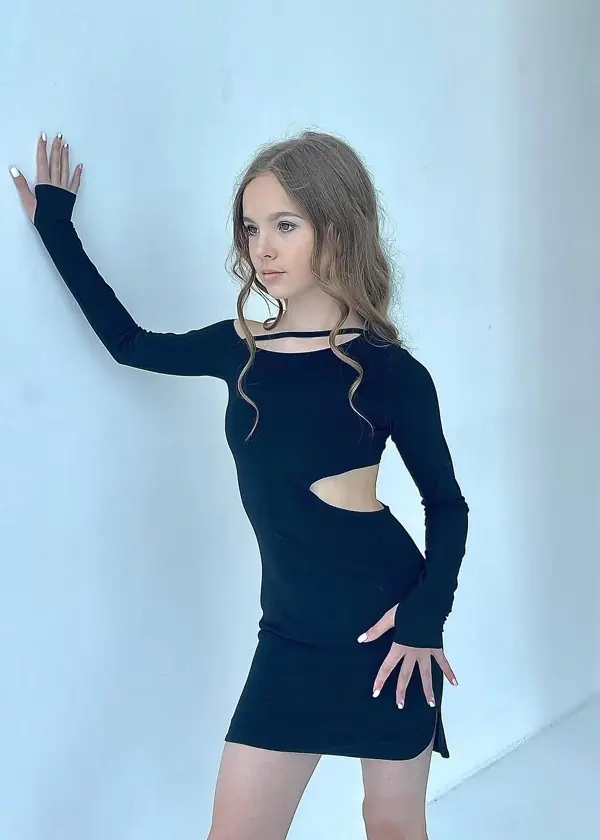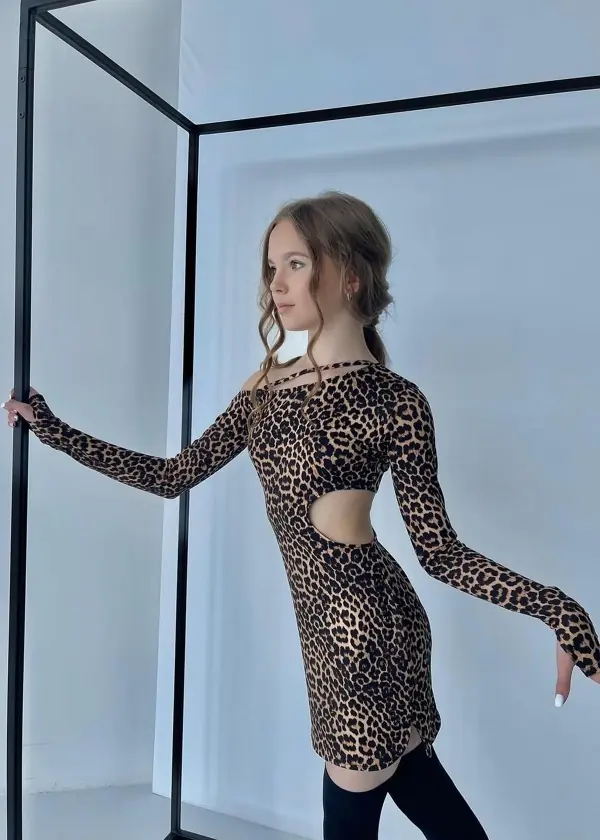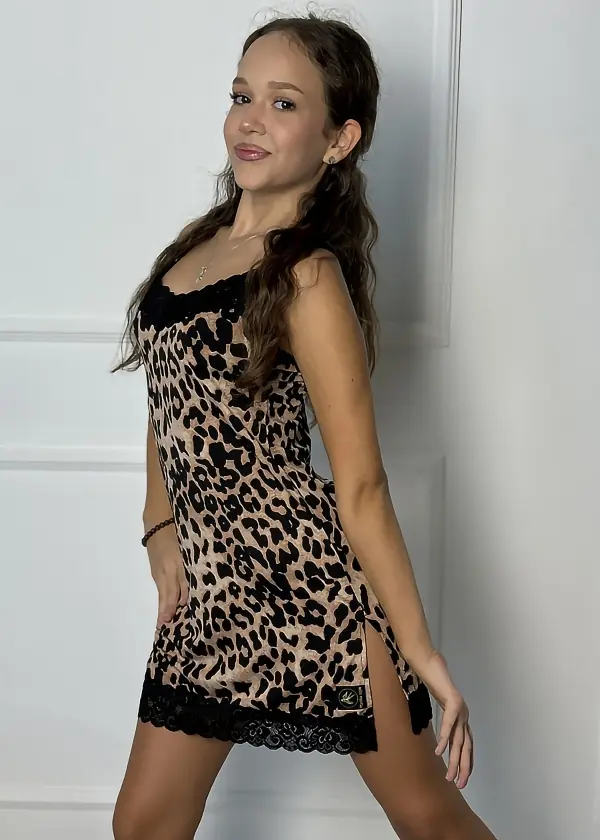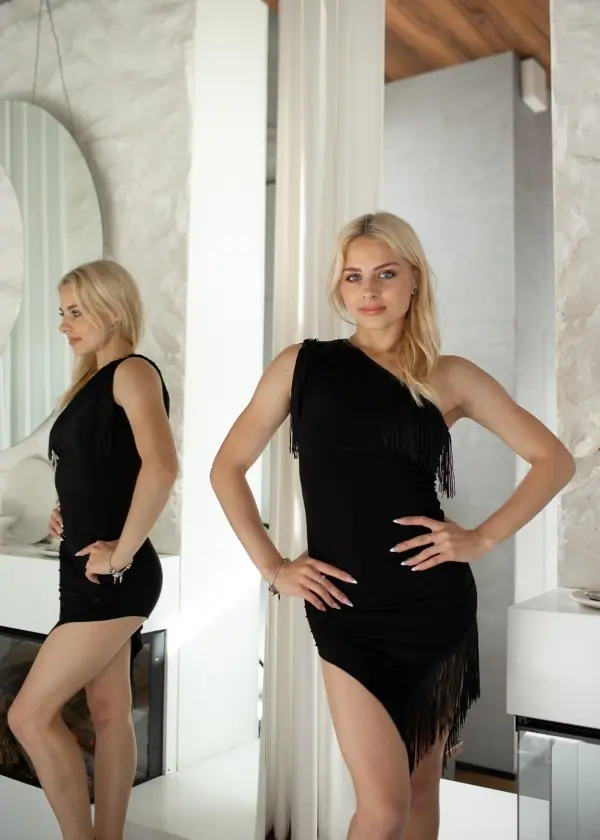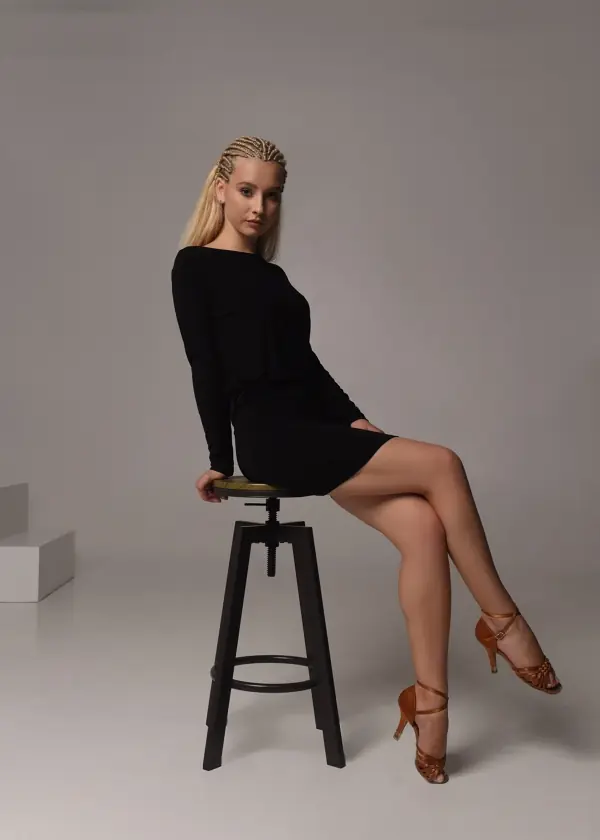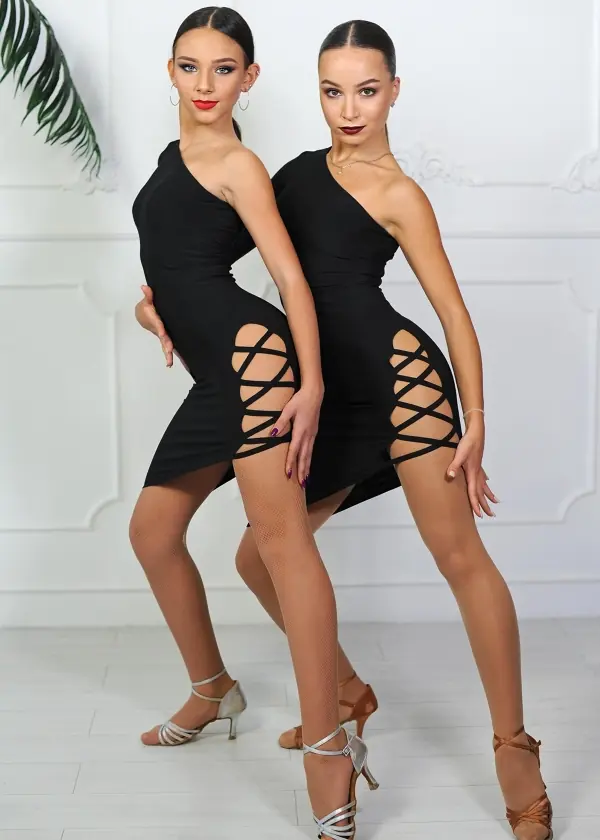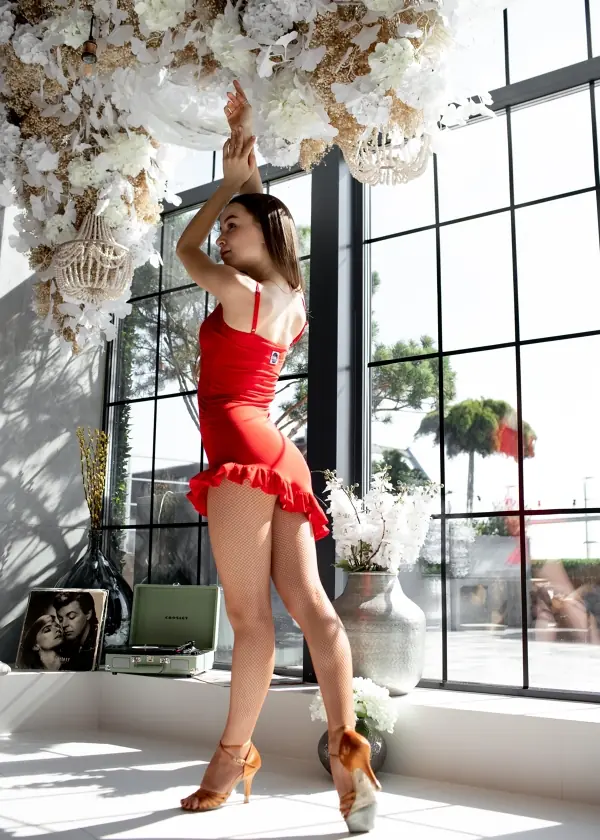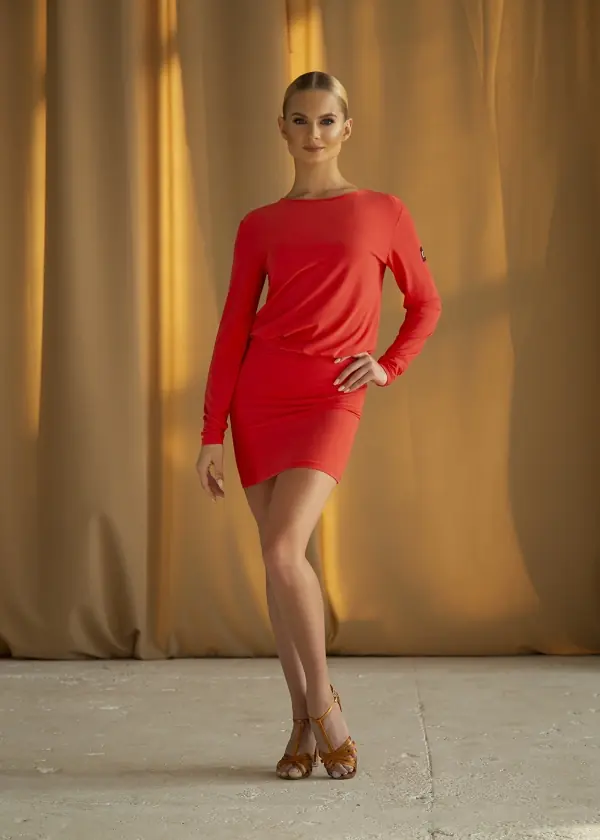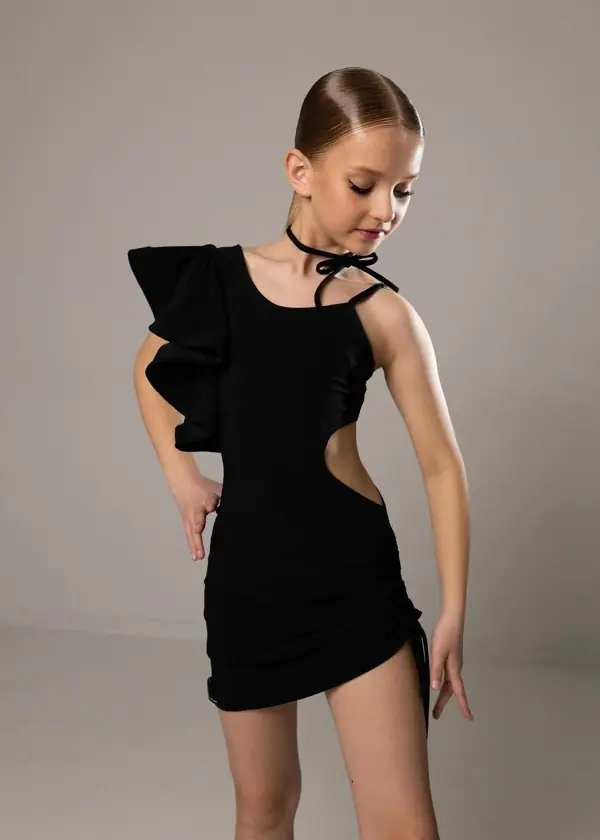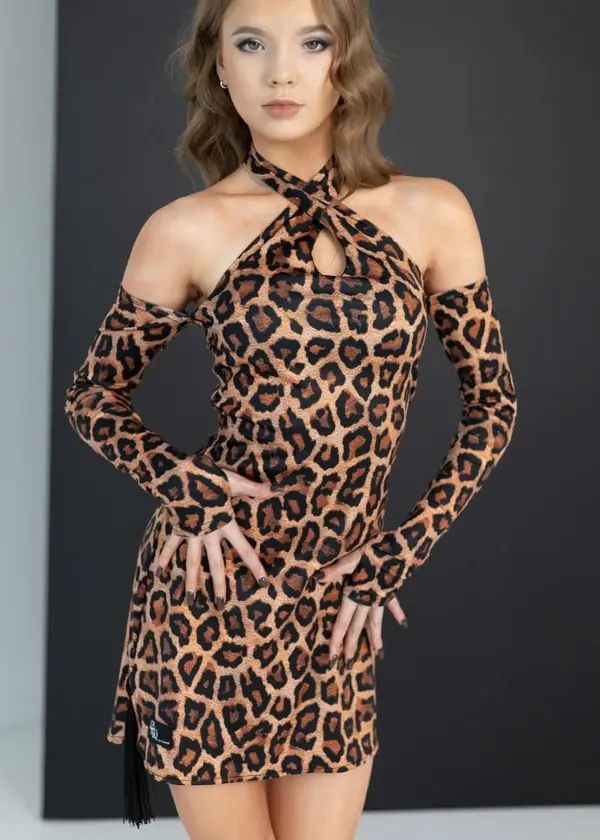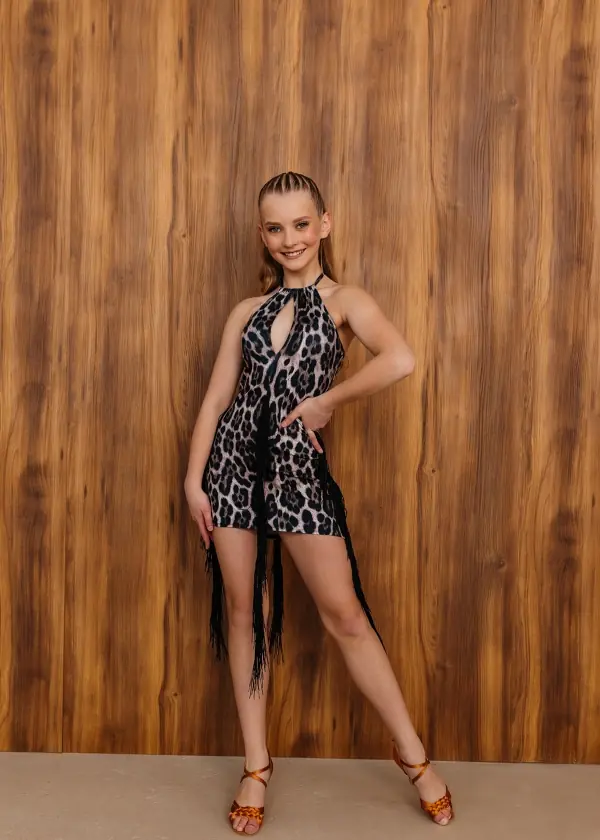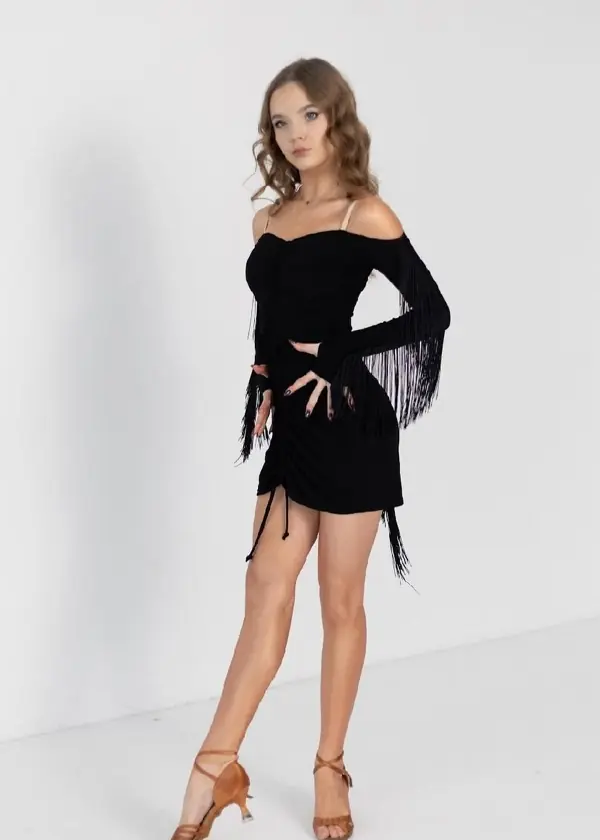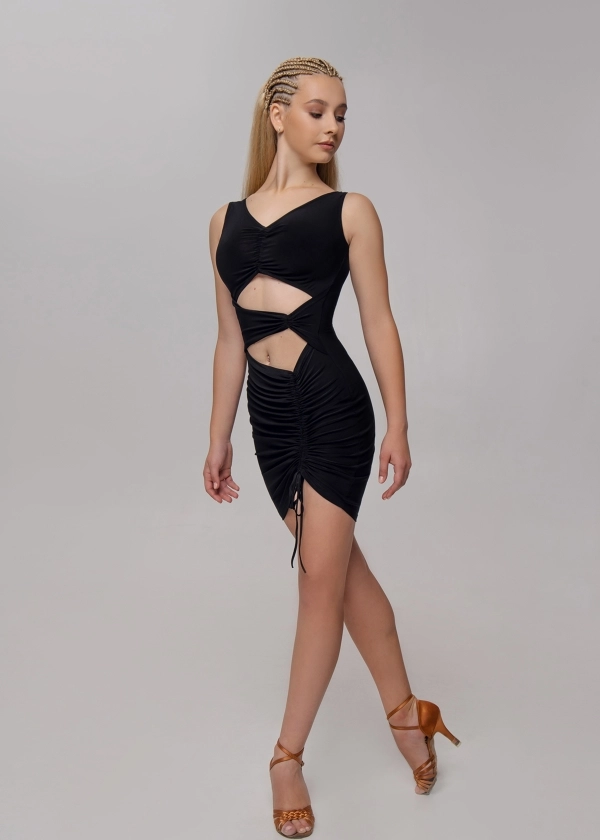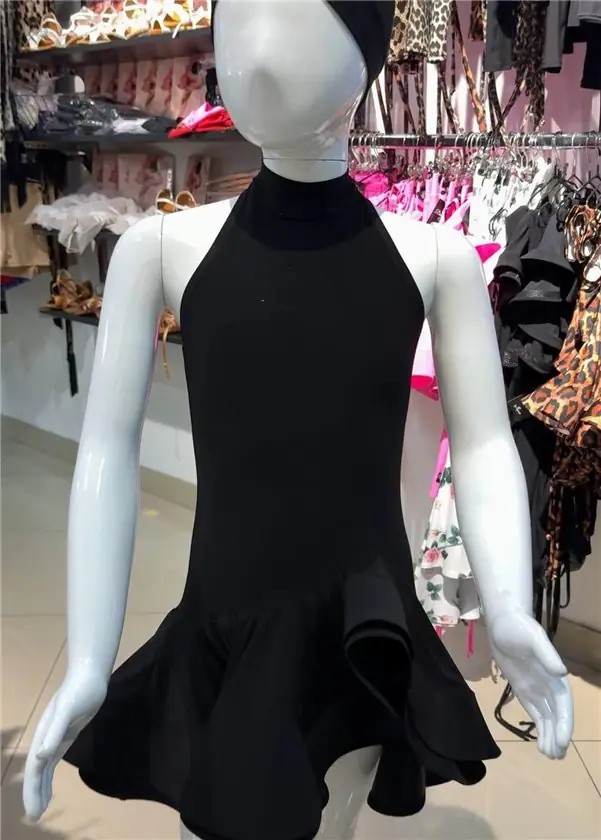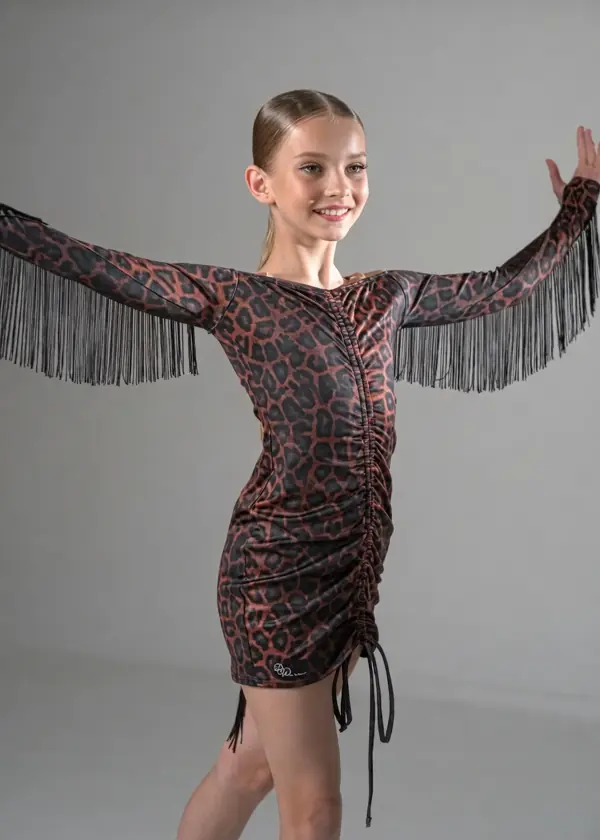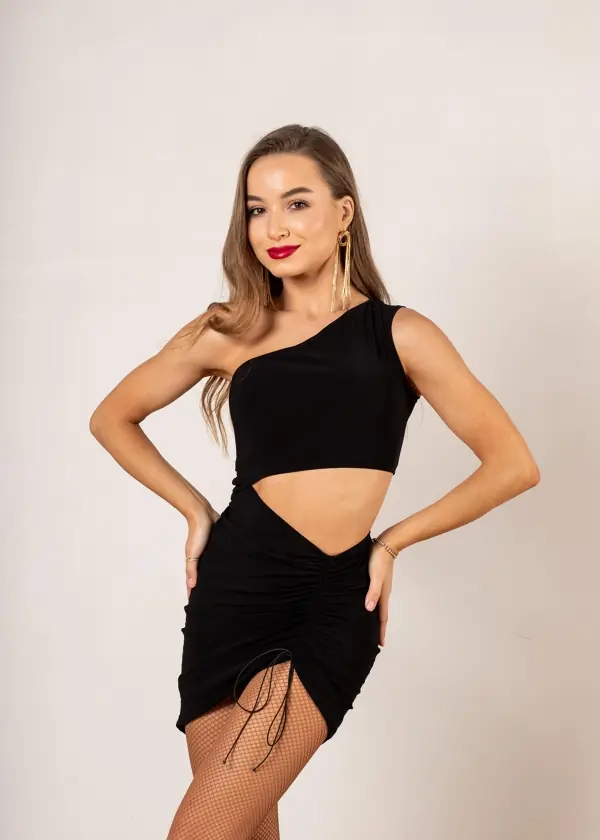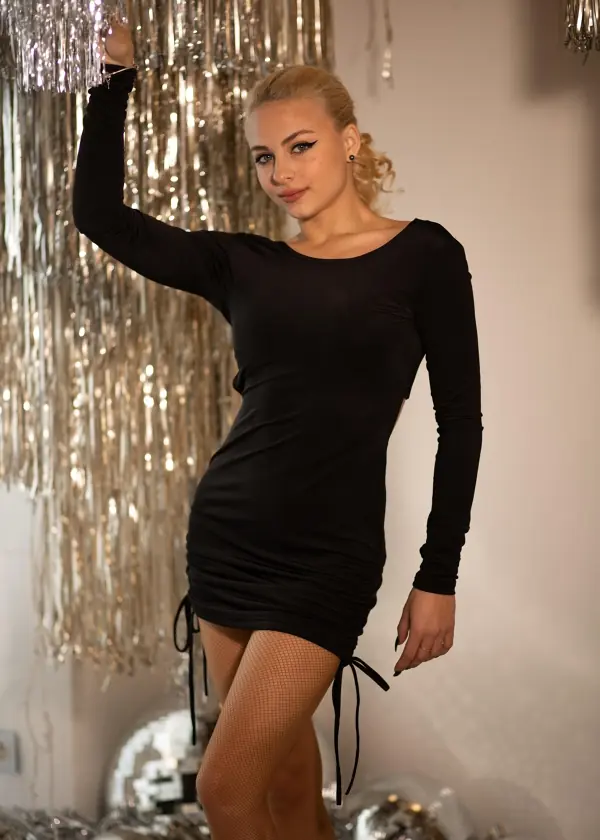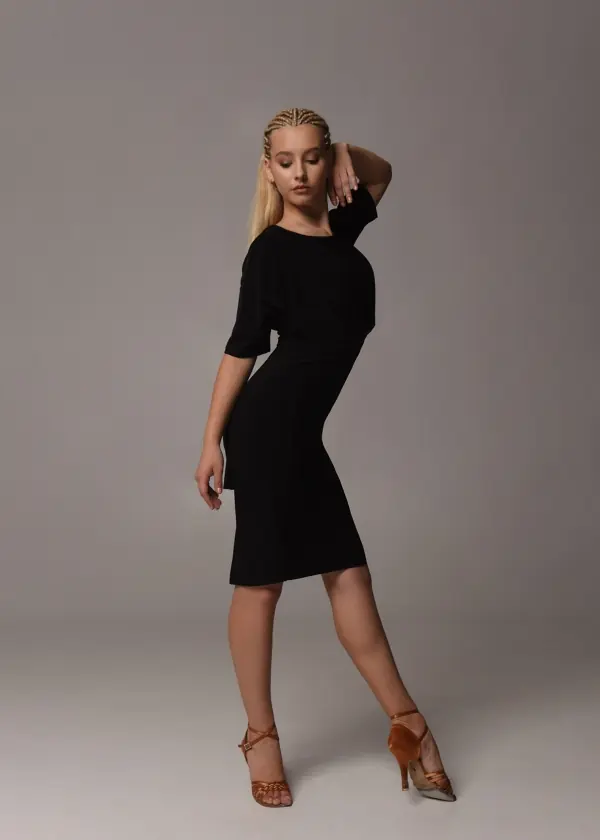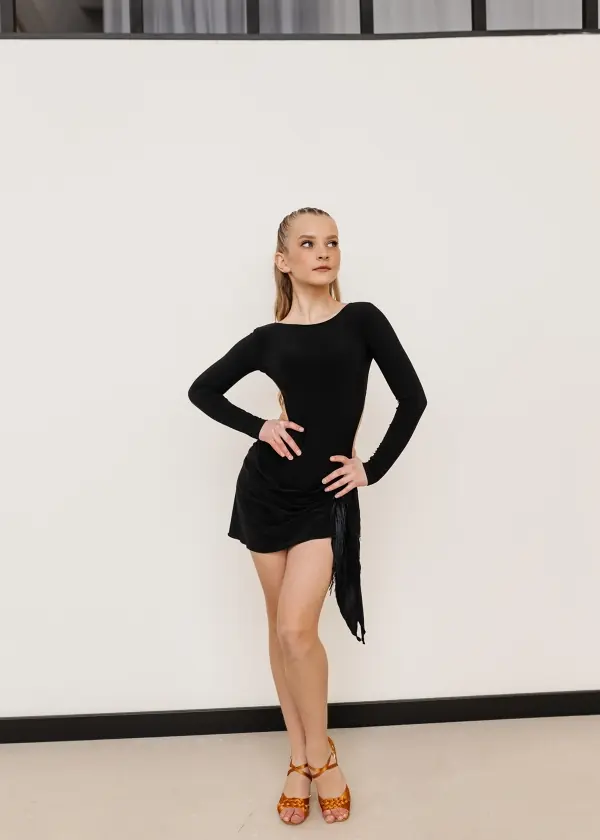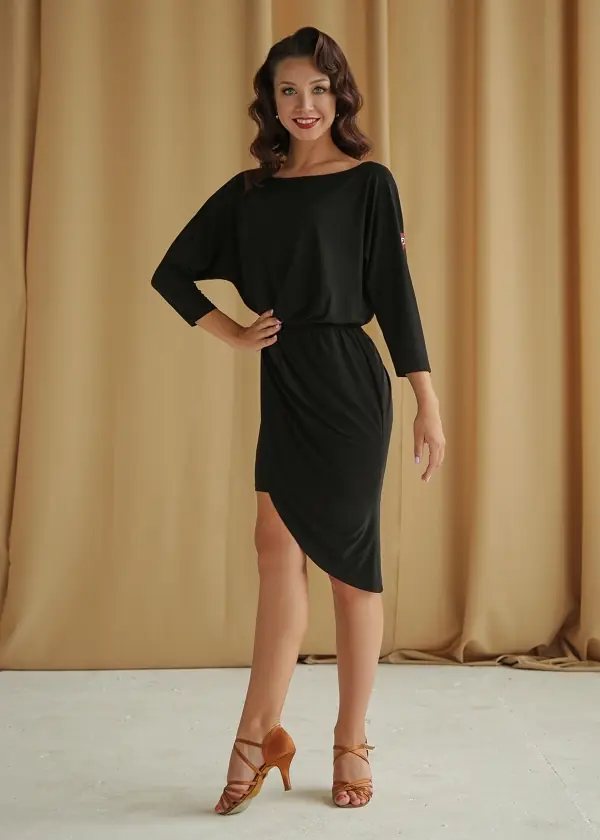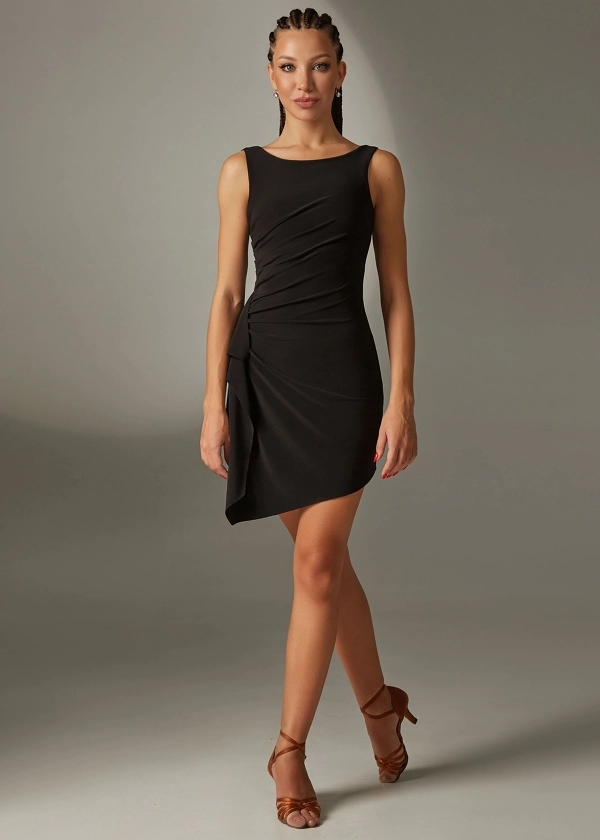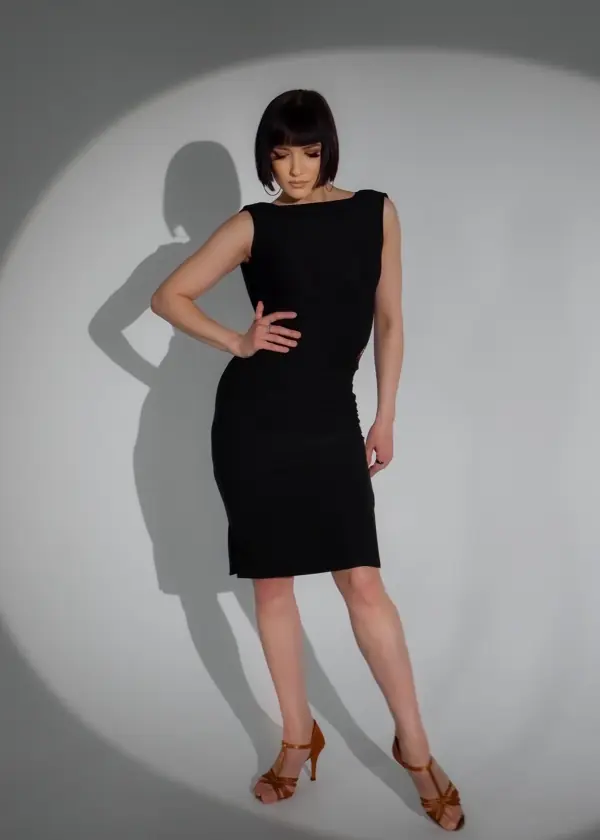
Dress for Latin dance with an open back DW.DANCEWEAR
DW.DANCEWEAR products are made after an order is placed. The production time is 3–5 business days.
Quantity:
Total:
Total products:
Total shipping: To be determined
Tax: 0 ₴
Total:
Quantity:
Total:
Total products:
Total shipping: To be determined
Tax: 0 ₴
Total:
DW.DANCEWEAR products are made after an order is placed. The production time is 3–5 business days.
DW.DANCEWEAR products are made after an order is placed. The production time is 3–5 business days.
DW.DANCEWEAR products are made after an order is placed. The production time is 3–5 business days.
Dear customers! For items by the SHOK brand, please confirm the tailoring and shipping time before placing an order. To get up-to-date information quickly, please contact our managers via: Email, WhatsApp, Telegram or Instagram.
FD Company products are usually available in stock. If a particular item is temporarily out of stock, the production time is 3–5 business days, depending on the current production workload.
Dear customers! For items by the SHOK brand, please confirm the tailoring and shipping time before placing an order. To get up-to-date information quickly, please contact our managers via: Email, WhatsApp, Telegram or Instagram.
Dear customers! For items by the SHOK brand, please confirm the tailoring and shipping time before placing an order. To get up-to-date information quickly, please contact our managers via: Email, WhatsApp, Telegram or Instagram.
FD Company products are usually available in stock. If a particular item is temporarily out of stock, the production time is 3–5 business days, depending on the current production workload.
DW.DANCEWEAR products are made after an order is placed. The production time is 3–5 business days.
DW.DANCEWEAR products are made after an order is placed. The production time is 3–5 business days.
DW.DANCEWEAR products are made after an order is placed. The production time is 3–5 business days.
DW.DANCEWEAR products are made after an order is placed. The production time is 3–5 business days.
FD Company products are usually available in stock. If a particular item is temporarily out of stock, the production time is 3–5 business days, depending on the current production workload.
DW.DANCEWEAR products are made after an order is placed. The production time is 3–5 business days.
DW.DANCEWEAR products are made after an order is placed. The production time is 3–5 business days.
Dear customers! For items by the SHOK brand, please confirm the tailoring and shipping time before placing an order. To get up-to-date information quickly, please contact our managers via: Email, WhatsApp, Telegram or Instagram.
Dear customers! For items by the SHOK brand, please confirm the tailoring and shipping time before placing an order. To get up-to-date information quickly, please contact our managers via: Email, WhatsApp, Telegram or Instagram.
FD Company products are usually available in stock. If a particular item is temporarily out of stock, the production time is 3–5 business days, depending on the current production workload.
DW.DANCEWEAR products are made after an order is placed. The production time is 3–5 business days.
FD Company products are usually available in stock. If a particular item is temporarily out of stock, the production time is 3–5 business days, depending on the current production workload.
FD Company products are usually available in stock. If a particular item is temporarily out of stock, the production time is 3–5 business days, depending on the current production workload.
FD Company products are usually available in stock. If a particular item is temporarily out of stock, the production time is 3–5 business days, depending on the current production workload.
DW.DANCEWEAR products are made after an order is placed. The production time is 3–5 business days.
A Latin training dress solves a specific problem: it removes the waistband join. When you train in a separate top and skirt, the seam at the waist adds visual noise — bunched fabric, a visible interruption — that can obscure what the torso is actually doing. A one-piece dress keeps the silhouette clean from shoulder to hem, letting a coach read frame, spinal alignment and hip action without a horizontal break interrupting the picture. That is the functional case for a practice dress, distinct from any aesthetic choice.
The women's Latin practice dress range at MakGrace includes styles from SHOK and other brands, all built for the Latin program. Every model uses four-way stretch fabric, an open or slit hem for full hip range, and a construction that does not restrict movement through any Latin figure. None of these are competition pieces — they are training garments built for durability through daily studio use.
Hip freedom is non-negotiable. Through a cucaracha, open hip twist, or fan position, the fabric must move fully with hip displacement rather than hold back or ride up. Most models here use a skirt panel cut on the bias or a flared construction that releases hip movement even in a close-fitting dress.
Hem length shapes footwork visibility. A hem at mid-thigh or shorter lets the coach and dancer see foot, ankle and lower leg clearly — essential for checking heel placement in rumba walks, foot position in chassé, or the swivel line in a hip twist. A handkerchief or irregular hem also highlights asymmetric footwork, which helps in correction sessions focused on one side.
Fabric weight affects how the dress behaves at rest and in motion. Heavier practice dresses in satin-adjacent materials look polished but respond slowly to fast figures. Lighter biflex and lycra respond immediately — the fabric trails body action rather than creating its own momentum. For jive, samba and cha-cha drilling at tempo, lighter fabric is more informative.
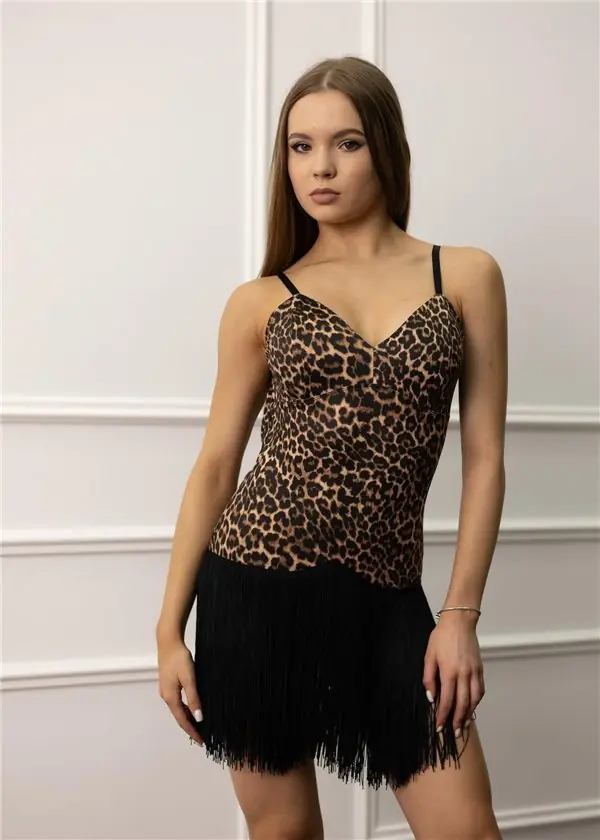
A dress with a fringe panel combines one-piece silhouette clarity with the hip feedback function of a fringe skirt. The fringe typically sits below the waist, so the coach reads upper body from the one-piece structure and hip mechanics from fringe response simultaneously. Useful for combined sessions where both alignment and hip action are being assessed at once.
Models with ties at the back or an adjustable shoulder strap allow the neckline and upper back to be shaped to the dancer's frame. This matters for open-back visibility — the coach needs to read shoulder blade and spine line — and for a secure fit through fast figures where a loose top section shifts with movement.
Halter and bra-strap necklines keep shoulder and upper arm free for arm styling in Latin. The halter in particular exposes the clavicle line clearly, which is useful when coaching upper body counter-rotation — whether the shoulder opposes the hip or follows it is easier to read when the clavicle is fully visible.
Several models use lace or mesh as a structural overlay on part of the bodice. The textural contrast makes the upper body read differently in motion and photographs well for class content. Mesh at the shoulder or back lightens the visual weight of the top section, which is useful when working on shoulder isolation and arm positioning.
When coaching focuses on the torso as a whole — upper body and hip coordination, spinal counter-rotation, or frame work in Latin — a dress gives the cleanest read of the full silhouette. For figure-specific drills that don't involve the waistline zone, a bodysuit with skirt is equally functional. The dress earns its place most clearly in slower technique sessions where the whole-body picture matters most.
Generally not. Standard training requires a more contained lower-body silhouette; the legs stay in closed hold for most of the session, and short or fringe hems create visual noise in closed position. For mixed Latin and Standard sessions, keep dresses for the Latin blocks and switch to a longer practice skirt for Standard work.
A training dress is made to last through months of daily studio use: washable, durable, functional cut. A competition dress is made for one night on the floor: embellished, presentation-finish, individually fitted. Training dresses here carry no stones or heavy decoration — they are tools, not statements. A competition dress needs a consultation and professional fit; a training dress can be ordered from standard sizing charts.
Fabric and hem choice matters differently at different stages. Beginners benefit from mid-length fringe or fuller skirt panels that create visible hip feedback even from small movements — the dress compensates for movement that is not yet fully developed. Advanced dancers often prefer minimal, close-fitting designs that reward existing hip action rather than compensate for it. The closer the dress sits to the body, the more honest it is about what the hips are actually doing.
Browse: all women's dresses, fringe skirts, women's bodysuits. Brands: SHOK | DW.DANCEWEAR